Designing Your Environment: 4 Ways to Make Good Habits Easy
Lately, I’ve been running a series of small experiments in my house.
Fortunately, they don’t involve any clipboards or beaker bottles! Instead, they’re the kind of experiments that look more like…clutter.
A yoga mat permanently unrolled in the hallway.
A toaster that refuses to live in the deep, dark pantry.
A pile of dirty paintbrushes in the middle of the family room.
To the outsider, it might look a little chaotic. But they all have the same goal: making certain habits easier.
Because when I stopped giving so much attention to aesthetics, I started realizing something interesting. The routines that stuck weren’t always the ones I was most motivated to do — they were the ones that my surroundings made easy.
So over time I started noticing how a few small design shifts could make a big difference. Here are four of the easiest ways I’ve found to shape your environment so good habits happen more naturally.
#1: Remove the Setup Barrier
One of the biggest reasons habits don’t stick is the setup cost. By this, I mean the time and energy, and decisions that it takes to do something as simple as start.
If every time you want to do something you have to pull out tools, clear space, and get organized, your brain starts to treat the activity as a project instead of a routine. And as we all know, projects are easy to postpone.
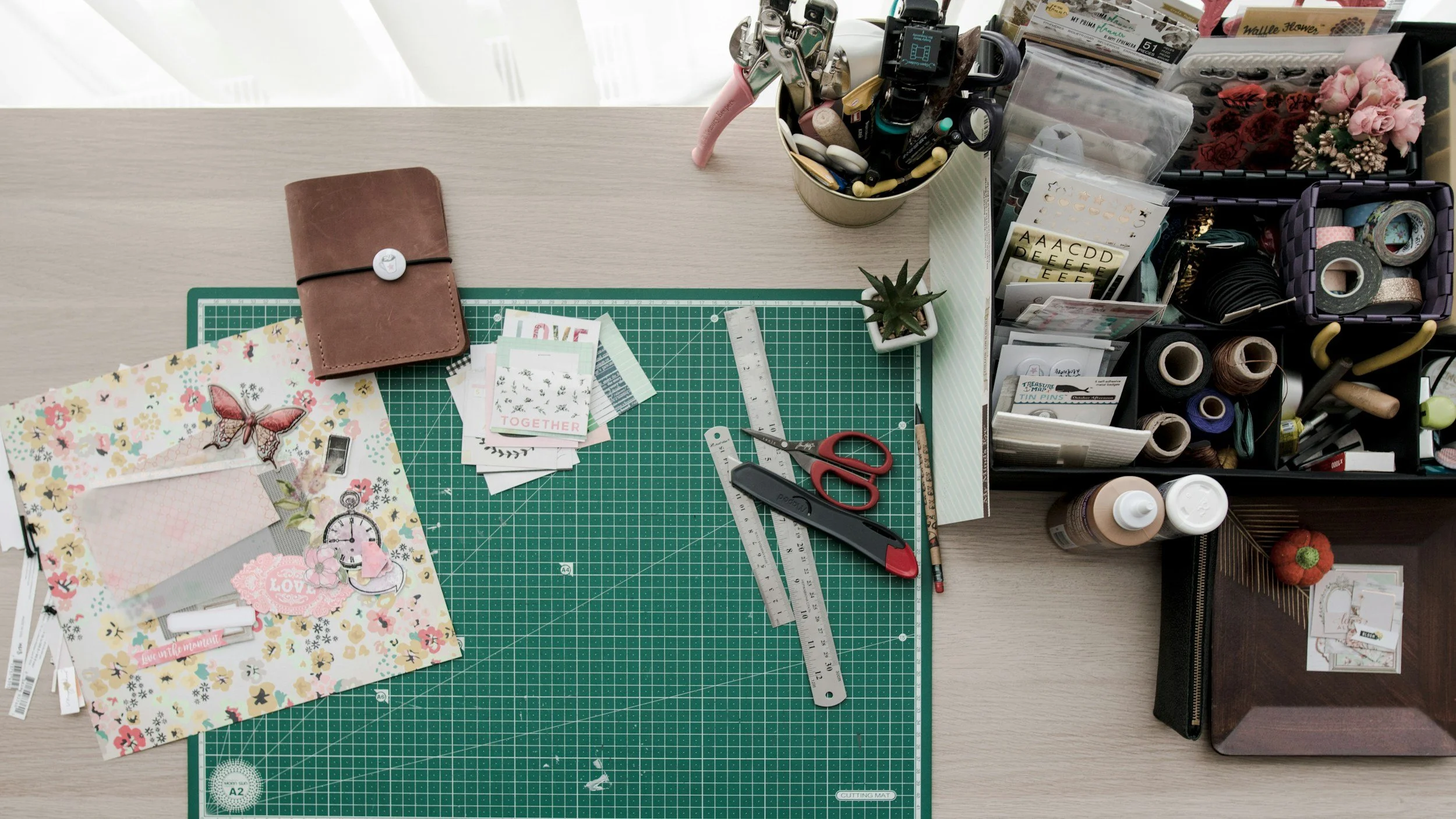
That’s exactly what was happening with my art supplies. They lived in a closet, which meant every time I wanted to paint I had to take everything out, set up at the kitchen table, and then clean it all up again when I inevitably got interrupted thirty minutes later.
Believe me – when your free time is limited to nap windows or late evenings, those extra steps are enough to kill the habit entirely. But I wrote about how an ugly, plastic folding table changed everything by removing the setup barrier. My supplies were already out, which meant creating went from being a planned activity to something I could do for even five minutes in passing.
If there’s something you want to do more often, ask yourself:
What would it look like if the setup was already done?
Examples:
leave your guitar on a stand instead of in a case
keep the budget spreadsheet open on your computer
store your running shoes (and watch, and airpods…) in a pile by the door
Organize your closet in the same order you get dressed
Often the easiest way to change behavior is simply to make the activity easier to start.
#2: Use Barriers on Purpose
Every environment asks for some amount of effort from us – either small obstacles that slow us down or little nudges that move us forward.
The trick is figuring out how to change your environment so your energy is directed to the right place. You can remove steps between you and the habits you want to stick, or you can add barriers to the ones you don’t.
Urban design in our cities is a great example of this. A protected bike lane makes cycling easier, while a narrow traffic lane naturally slows drivers down.
You can apply the same logic at home.
Examples:
Removing barriers from good habits:
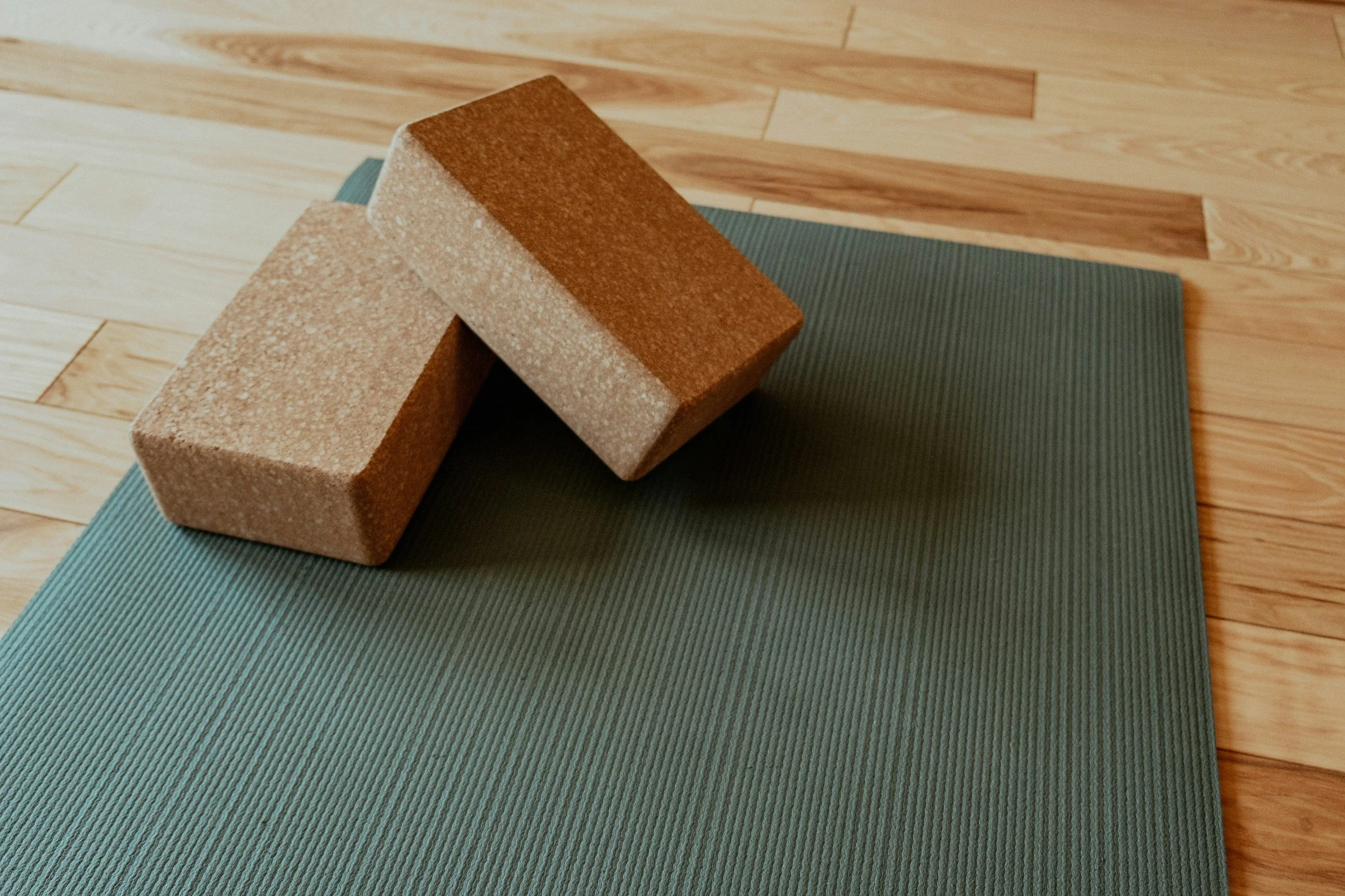
leave a yoga mat unrolled in your bedroom
set up auto-delivery for your supplements
keep cleaning supplies in the room where they’re needed
Adding barriers to bad habits:
move your charger away from your bedside
delete food delivery apps from your phone
unfollow shopping-focused social media accounts
We often equate good habits with motivation and discipline – but more often than not, behavior simply follows the path of least resistance. Set your path up strategically.
#3: Make the Habit Visible

One of the simplest ways environments shape behavior is through visual cues.
When something is in your line of sight, your brain registers it as a readily available action.
This is why grocery stores place impulse items near the checkout line and why cafés display pastries at eye level. Visibility is a great influence.
The same principle works at home.
When our air fryer lived inside our cabinet, we would forget how easy a fast meal could come together on those nights that went off the rails. But once I moved it to our countertop, food delivery orders pretty much disappeared.
Examples:
keep your vitamins on the counter next to a cup of water
leave your journal and a pen beside your bed
keep a puzzle or craft project out on the table
The secret benefit is that you don’t have to drum up motivation, you’re letting the environment be your cue.
#4: Allow a Little Imperfection
One surprising lesson from my folding table experiment was that the most effective environment wasn’t the prettiest one.
A perfectly tidy space often signals that nothing should be disturbed.
But a slightly unfinished space invites action.
That’s part of what made the folding table work. It wasn’t beautiful. It wasn’t styled. It looked like a work-in-progress – which made it easier to sit down and start.
You don’t have to live in complete disarray (though some days we all do!). But letting go of the idea that every space in your home needs to look perfect all the time might just do wonders for helping good habits take root.
Examples:
let your ugly-but-important toiletries – like sunscreen or prescriptions – live outside a drawer.
let a DIY project unfold slowly, with all the tools laid out, so you can return to it whenever a pocket of time opens
Once you start noticing how environments shape behavior, it becomes hard to unsee.
The bowl of fruit on the counter makes you eat differently.
The shoes by the door make it easier to go for a walk.
The pre-packed lunch box makes saving feel effortless.
None of these changes are overly dramatic. But they work because they shift the starting point: Instead of relying on motivation or discipline, you’re designing the environment so the next good decision is simply the easiest one to make.
If something as silly as a plastic folding table in the middle of the room could reshape my entire routine – I’d love to know what experiments with your space can change yours!
Stay awhile…
If you’re interested in creating a life you love, right where you are — you’ll fit right in here at Quartier Social Club. I like to think of it as your virtual, neighborhood café.
You can subscribe below for my weekly newsletter. It’s like a warm cup of coffee delivered straight to your inbox: