5 Eras You Must Experience for Better Personal Style
If you want to get to know someone, find out what they wore when they were sixteen.
Why? Because personal style is often a proxy for identity – how we see ourselves, how we want others to see us, and how we’re trying to position ourselves in the world.
So if you want to understand (or refine) your personal style today, you have to start by looking back at where you’ve been (yes, cringe and all!).
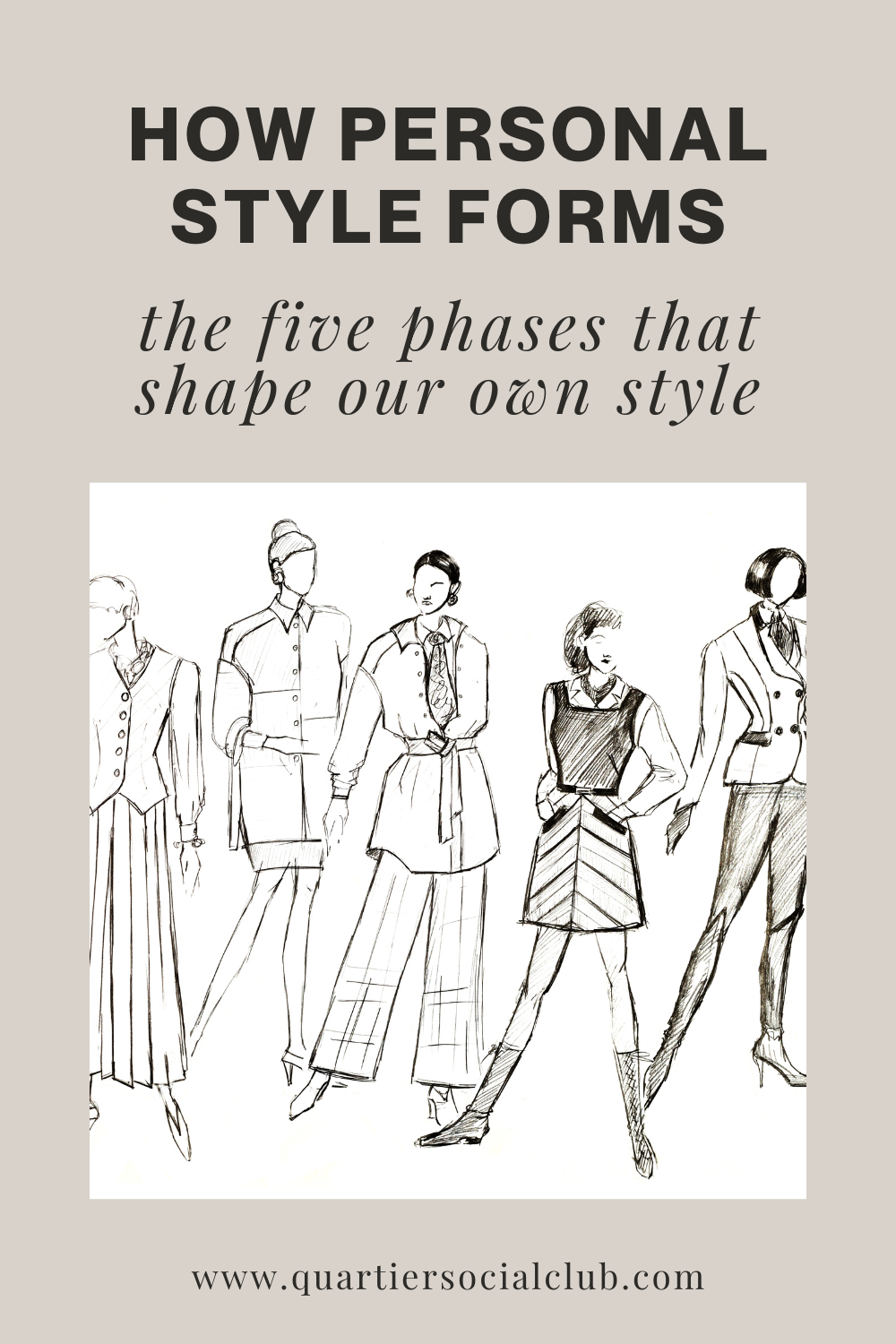
Usually, when we talk about personal style, it’s aspirational.
I, for one, am always scrolling Pinterest for inspo to evolve my style. Meanwhile, what I wore in the past gets erased – hidden in old yearbooks and Facebook photo albums. (You know the ones).
Most style advice reinforces this idea by treating personal style like a destination: something you arrive at once you’ve clarified your aesthetic and bought the right pieces.
But that approach misses the bigger picture: style doesn’t form in a single vision-boarding session – it takes shape gradually, through the different phases and stages of life.
I’ve noticed that many of us experience a similar set of style “eras” even if they don’t always happen at the same time for everyone.
And although those skinny jeans + infinity scarf outfits might tell you otherwise – no phase is inherently bad. In fact, each teaches us something essential about our personal style if we know what to look for.
Below, I’m sharing five different style eras we all go through – and what you can take away from each to improve your personal style today. Each also includes a style reflection prompt to help you refine your style.
Era 1: The Experimentation & Trend-Testing Era
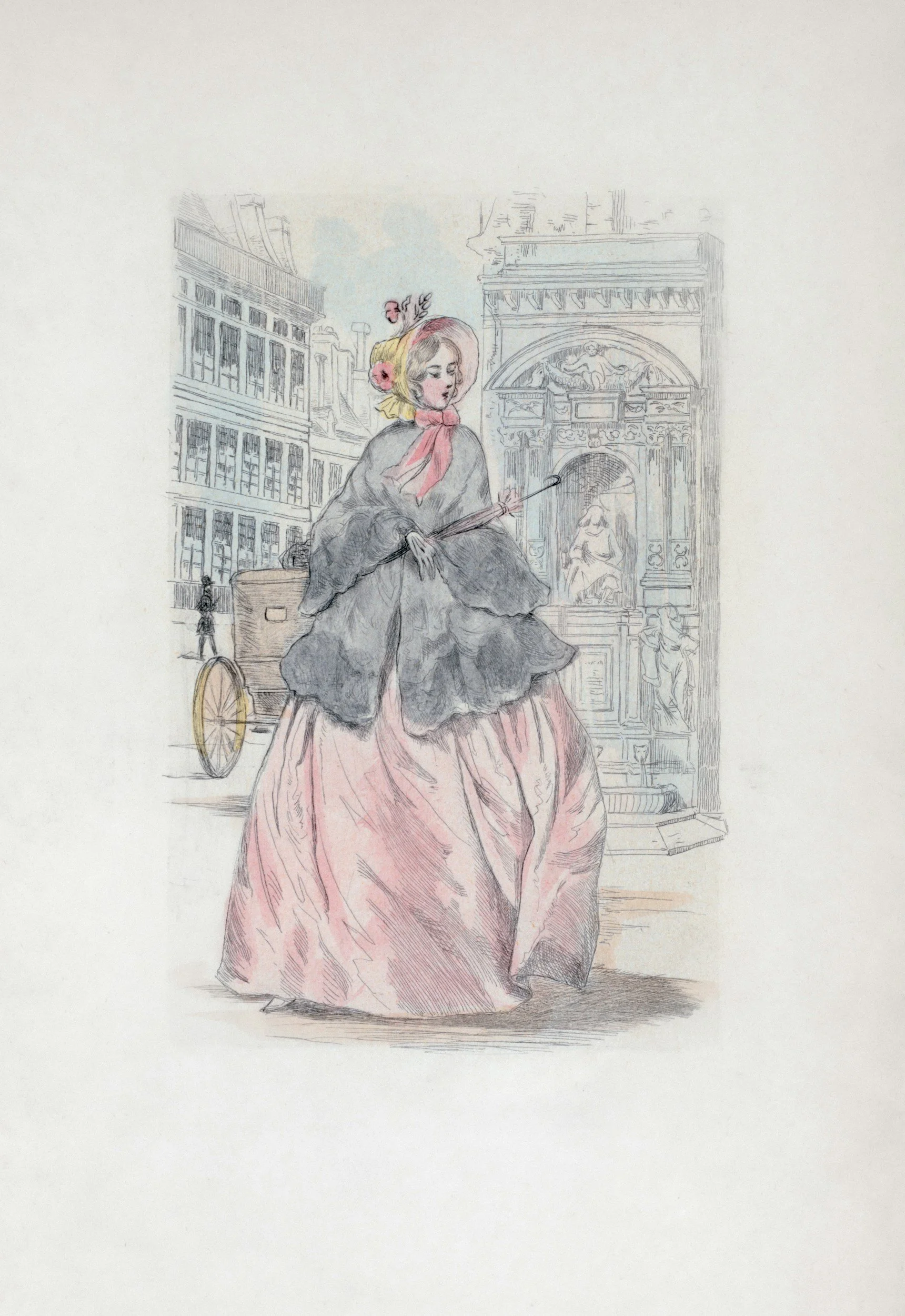
For most people, this phase is represented by the outfits of their teens or twenties – but it can happen at any point in life, especially during the seasons where we’re questioning who we really are.
The experimentation era usually looks like:
Trying on different “identities” and using clothes to signal them (aka my 90’s grunge phase!).
Heavy participation in trends, often without much questioning.
Buying things because they feel expressive about the personality we want to project.
Copying the style of a celebrity, peer, or pop culture influence that stood out or spoke to us in some way.
The experimentation era is often the one that we cringe at the most. Looking back, it’s so easy to see how much of what we wore didn’t really suit us. But this is the phase that is the most important to reflect on – because once we leave it, many of us never return!
And while that might mean we leave behind questionable makeup choices, it can also mean unintentionally shutting out much of the creativity, individuality, and confidence that great personal style is built on.
TAKE IT:
What to take from the Experimentation Era:
Visual literacy: You learn more by doing something wrong than by getting it perfect the first time. Cringey outfits are memorable because they teach you what doesn’t work.
Understanding what doesn’t feel like you: Trying everything helps you understand what you’ll never reach for again (and what is worth returning to).
A sense of play and risk: Above all else, getting dressed should feel fun. The experimentation era reinforces this – you weren’t overthinking it, you were just leaning into what felt right at the time. Sometimes, simply returning to this state of being is enough to get our style back on track.
Confidence to try: Experimenting builds creative courage. You risk very little by trying a new color combo, silhouette, or styling technique…but the confidence you gain from trying can’t be measured.
LEAVE IT:
What to leave in the Experimentation Era:
Thinking you’re “bad at style”: The experimentation era is simply that – an experiment. It provided useful data to apply to your style now; your cringey outfits didn’t define you then and still don’t now.
Keeping everything “just in case”: Your personal style can get confusing if your closet is still filled with clothes from a past version of yourself that no longer makes sense. When you know something doesn’t feel like you, let it go.
Letting trends drown out your own preferences: I think trend-following can actually be an important phase in the journey to building personal taste. The trick is learning when to step back and let trends pass you by without participating.
Style Reflection #1: Experimentation Era:
Think about an outfit that you’d never wear now but felt incredible in at the time. What made it so special? Was it the color combination? The vibe? Whatever it may be, try manifesting that in your outfits again and see where it takes you.
Era 2: The Comfort & Convenience Era
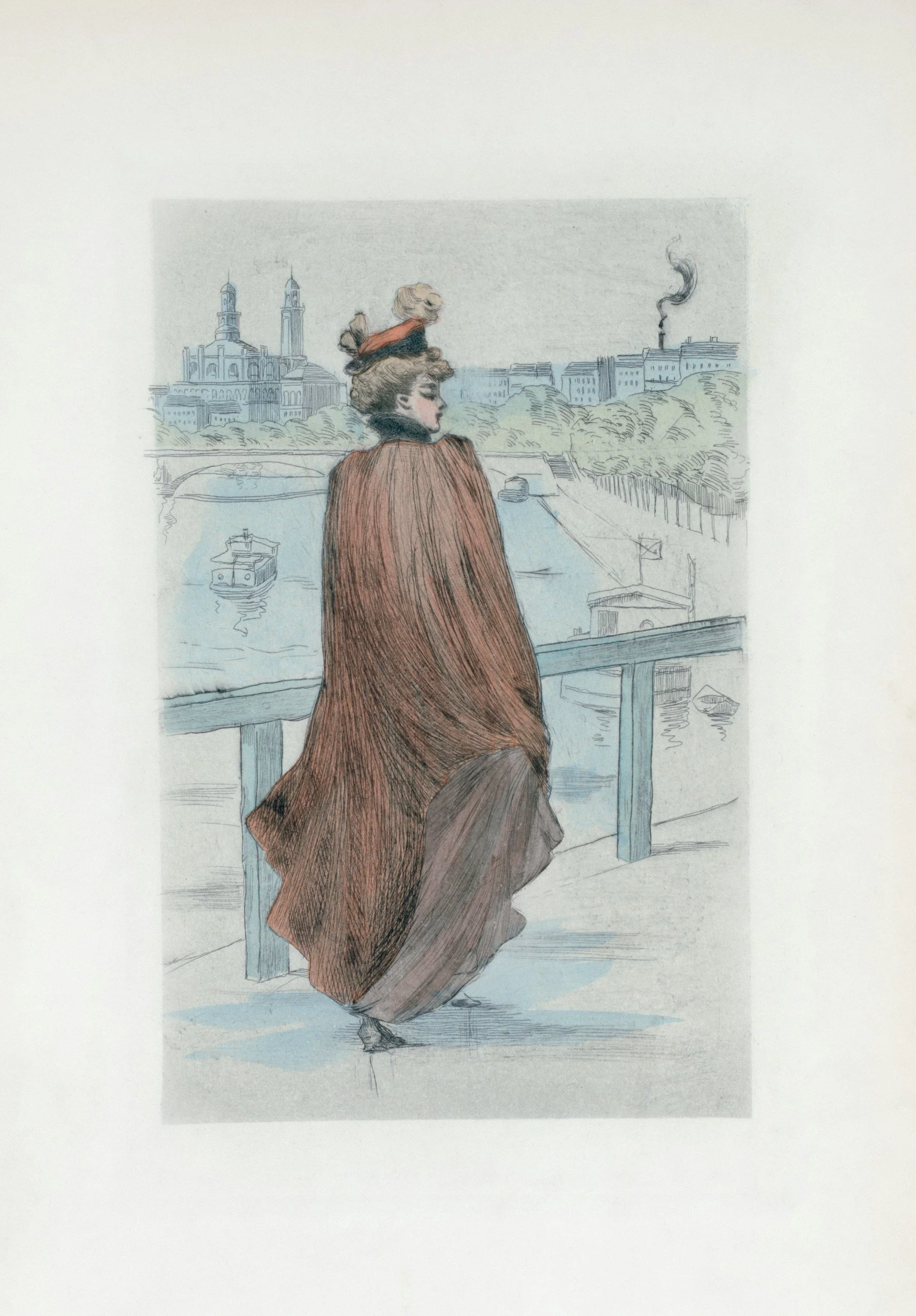
The Comfort and Convenience Era is marked by the seasons in our life when being fashionable takes a back seat because something else is demanding more of us. Burnout, a new job, parenting, caregiving, or other major life transitions can all push us into this phase, where getting dressed needs to be easy and practical.
This era often looks like:
Dressing for comfort, function, or to blend in rather than stand out
Wearing the same few outfits on repeat
Less interest in “looking stylish” and more focus on what feels good enough
This is also the era when many of us feel far removed from our personal style—or question whether we have one at all. But functional doesn’t have to mean unfashionable. In fact, this phase teaches us some of the most important lessons about our baselines and boundaries when it comes to style.
TAKE IT:
What to take from the Comfort & Convenience Era:
Clarity on what works: When comfort is the priority, the fabrics, cuts, colors, and fits that genuinely work for you become obvious.
A functionality checklist: Dressing for your real life means translating daily needs into what you wear, which will look different for everyone — commuter-friendly, parenting-friendly, day-to-night-friendly.
Awareness of annoyances: During major life transitions, you often have less patience for things that don’t make you feel good: straps you need to keep adjusting or waistbands that dig in are important data for what to avoid.
A formula for ease: Repeating outfits isn’t a sign of laziness - it’s knowing what works. A few go-to outfit formulas make getting dressed easy, convenient, and stylish.
LEAVE IT:
What to leave in the Comfort & Convenience Era:
Mistaking practicality for a lack of style: Functional is fashionable. Comfort, practicality, and personal style can all coexist.
Giving up entirely: It can be easy to stay stuck in this phase longer than necessary. You can prioritize everything you love about dressing practically and comfortably, while still refining for a slightly more elevated look.
Style Reflection #2: Comfort & Convenience Era
Make a list of your personal functionality non-negotiables: how do your clothes need to support your daily life?
If you want help clarifying this, my free Lifestyle Analysis Worksheet walks you through it step by step.
Era 3: The Exposure Era
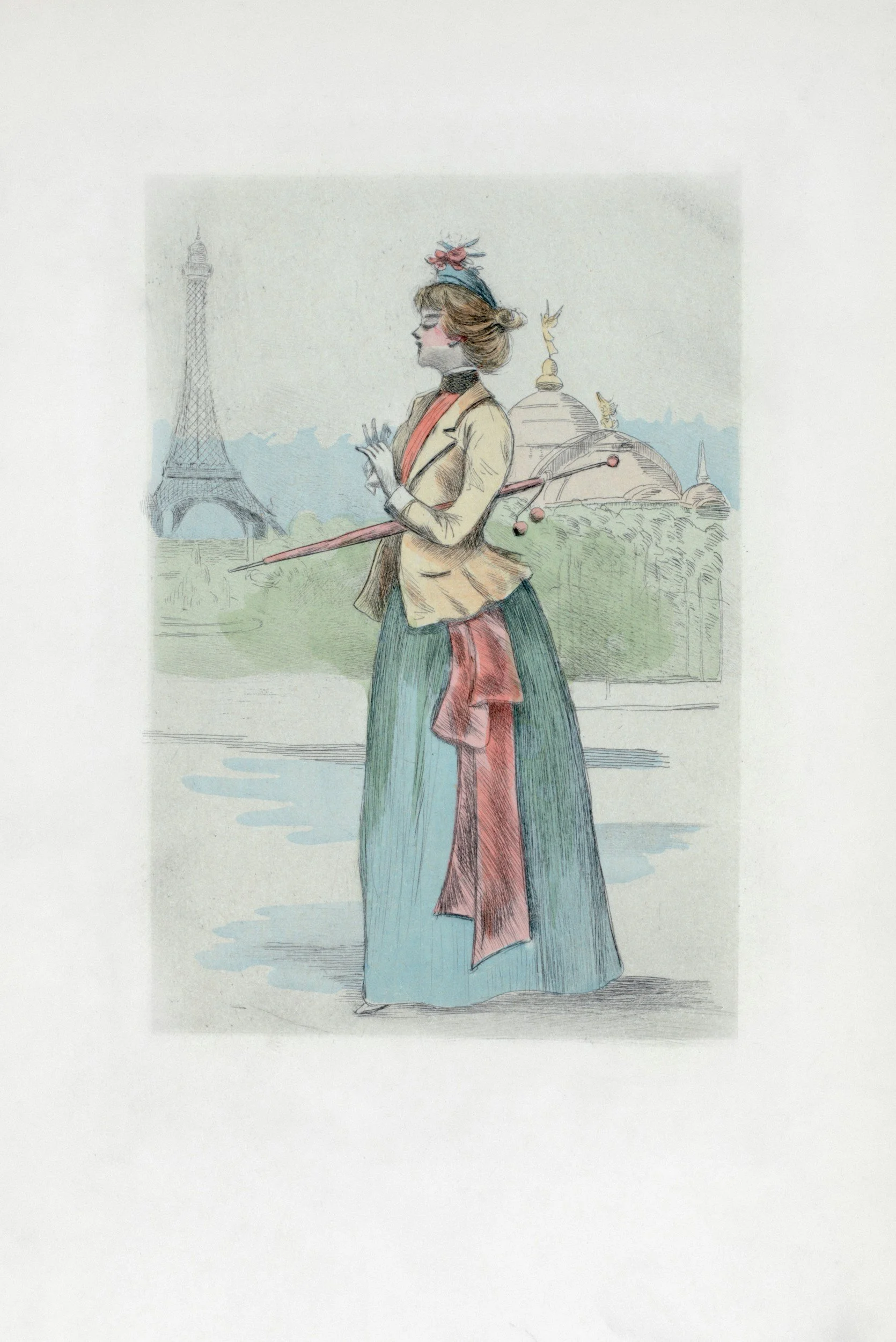
The Exposure Era isn’t always a single, clearly defined phase. Instead, it shows up as a series of influential moments across your life, often sparked by new experiences, places, or relationships that change how you see yourself and the world.
This era is marked by expansion: travel, new cities, creative environments, or even a shift in your social circle introduce you to different styles (and ways of life).
What this phase often looks like:
Suddenly noticing how other people dress, especially those outside your usual circle.
Being influenced by place, culture, or environment.
Feeling drawn to patterns, silhouettes, or materials you hadn’t considered before.
Your Exposure Eras are critical for building your own personal taste and how to borrow thoughtfully from the principles behind the aesthetic, not necessarily the aesthetic itself.
TAKE IT
What to take from the Exposure Era:
Expanded taste: Exposure builds taste because it stems from what you notice, not what trends are being pushed upon you. You start to recognize what catches your eye and why.
Context: Understanding how style forms, evolves, and makes sense for a certain environment helps you learn to adapt your style to the context of your own life.
Inspiration: Curating a signature style is all about seeking inspiration from real life – not just your algorithm.
LEAVE IT
What to leave in the Exposure Era:
Trying to import a lifestyle: Avoid letting inspiration tip into imitation. You are allowed to be inspired by other people, places, or things, but trying to copy and paste someone else’s exact look or aesthetic onto yourself will always feel unnatural.
Items that aren’t wearable in your real life: Like the Experimentation Era, we tend to collect items influenced by our Exposure Era that don’t really make sense for us long-term. Let those go.
Style Reflection #3: Exposure Era
Take a moment to identify your primary sources of style inspiration outside of social media. Think about:
Places that have changed how you dress (a city, a neighborhood, a trip)
People whose style you notice in real life—friends, coworkers, strangers you see regularly
Environments that influence you (your workplace, daily commute, favorite café, your hometown, a dreamy place, a climate)
What do these sources have in common? Is it the ease, the practicality, the materials, the silhouettes, the attitude?
Era 4: The Editing Era
The Editing Era is when you learn to start filtering out all the noise from your earlier style eras. This phase often shows up after you’ve had enough. Your tired of feeling like your style is always changing. You’re overwhelmed by your overstuffed closet. This is the time you want clarity.
For many people, this era looks like:
Major closet cleanouts or wardrobe overhauls.
Interest in a “capsule wardrobe” or a more streamlined closet.
Letting go of things that don’t get worn, even if they’re technically “nice.”
The Editing Era is when your personal style starts to feel more cohesive. Getting dressed is less about making a statement and more about aligning with what feels right on you.
TAKE IT
What to take from the Editing Era:
Discernment: Learning to recognize what actually works for you – and what doesn’t – is the most powerful skill to have in curating a signature style.
Consistency: Repeating the same silhouettes, colors, and outfit formulas may have once felt boring; but now, you realize it’s how your personal style becomes recognizable.
Confidence in your preferences: In the past you may have bought things just because they were pretty or interesting. Now, you can appreciate them without having to own them – and you start choosing things that make sense for you instead.
LEAVE IT
What to leave in the Editing Era:
Purging too much, too quickly: During the Editing Era, it can feel cathartic to get rid of it all and start fresh. But a total wardrobe overhaul is rarely the answer – a slower, more thoughtful edit and replacement strategy is much better.
Oversimplifying: Editing doesn’t have to mean stripping your wardrobe of all personality. When you’re clearing out the clutter, be careful not to edit all the joy out along with it.
Generic capsule wardrobe lists: The “capsule wardrobes” I often see online are really just a checklist of neutral basics. If you want to go the capsule route, it should be highly personal and flex around your life instead of forcing you into someone else’s formula.
Chasing perfection: We can sometimes get stuck in the Editing Era like a hamster wheel – we go around and around trying to curate the perfect, cohesive wardrobe. Your closet will never reach 100% perfection. Your life, preferences, and sizes will keep changing, and your closet will need to, too.
Style Reflection #4: Editing Era
Looking back over all your different style eras – what elements have always reappeared? Are there certain fabrics, colors, silhouettes, or outfit formulas that you return to again and again because they make you feel good?
Era 5: The Commitment Era
You’ll know you’ve entered your Committment Era when you stop feeling the need to reset your style every season. You trust your own personal taste enough to stick with it.
This era can sneak up on you (in a good way) – suddenly you realize you’ve been wearing the same coat for years, and you’re totally fine with it.
This era often looks like:
Keeping the same clothes for a long time.
Choosing refinement and replacement over novelty.
Caring more about fit, quality, and longevity than trends.
Willingness to spend a little more on pieces you plan to keep around.
Dressing in a way that feels stable and true, not performative.
In this era, you might not even be focusing on style the same ways you have in the past – not because you don’t care anymore, but because your identity has grown more true. You define yourself by more than what you wear, even if you still care deeply about looking and feeling good.
TAKE IT
What to take from the Commitment Era:
Trust in your taste: You’ve been through all of it – you’ve earned the right to trust your preferences. They matter more than what anyone else might think.
Confidence and ease: Getting dressed in this era might feel a little neutral – maybe not super exciting, but not super stressful, either. It just feels right and stable, which is a great place to be. (Better than morning outfit mayhem at least!).
Valuing longevity: This phase is all about embracing the best items for the long haul, instead of constant reinvention and replacement every season.
LEAVE IT
What to leave in the Commitment Era:
Becoming stagnant: Commitment doesn’t mean locking yourself into one version of your style forever. Growth is still allowed (and encouraged).
Fear of change: Settling into a familiar style shouldn’t scare you away from change. New phases will come and you shouldn’t resist them, you just won’t have to start from scratch every time.
Style Reflection #5: Commitment Era
What pieces in your closet have lasted the longest – and why? Look for patterns about what your pieces with the most longevity have in common. Those details matter more than whatever is trending right now.
How to Learn From Your Style Eras
Personal style is formed over a lifetime – you can’t develop good taste or unique preferences without experimenting: testing out different identities, sampling from the things you’re inspired by, or simply taking risks and making mistakes.
So don’t think of your cringiest style eras as bumps in the road on your personal style journey – they are your style journey!
Every style era you’ve had – the best and the worst – have taught you something valuable about your signature style.
Collecting style inspo for the future is a good practice. But if you never take a minute to look backwards, you’ll miss out on so many important clues as to what really resonates in style for you.
The style reflection prompts throughout this post are a great place to start. And if nothing else, I hope this is a reminder to stop judging your past outfit choices so harshly. 🙂